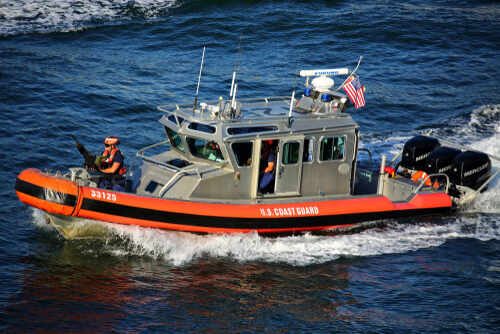
As Washington hails “pinpoint” boat strikes as a drug war victory, experts say cocaine keeps pouring into American streets while nearly 200 people lie dead at sea.
Story Snapshot
- Trump administration airstrikes have hit more than 60 small vessels since 2025, killing around 200 people in the name of stopping cocaine.[1]
- Independent analyses say cocaine availability, street price, and purity in the United States have not meaningfully changed.[2]
- Officials label the boats “narcoterrorist” targets, but have not publicly produced evidence tying specific vessels to cartels or drugs.[1]
- Traffickers appear to be shifting to land routes and container ships, raising broader questions about strategy, accountability, and mission creep.[1][2]
What The Boat-Strike Campaign Really Looks Like
Since September 2025, the United States military has carried out an aggressive series of airstrikes on small vessels in the Caribbean Sea, later expanding to the Eastern Pacific Ocean.[1] The Trump administration publicly framed these operations, part of Operation Southern Spear, as a counter-narcotics effort to choke off cocaine flows from Latin America to American communities.[1] Officials branded the targets as drug-cartel “narcoterrorist” boats and promised the campaign would continue as a key pillar of border and homeland security policy.[1]
As of early May 2026, publicly available tallies indicate at least 199 people have been killed, including several still missing and presumed dead, in roughly 60 separate strikes on 61 vessels.[1] Casualties have mounted across at least fifteen hits in the Caribbean Sea, over thirty in the Eastern Pacific, and additional attacks in undisclosed locations.[1] In March 2026, the campaign escalated further with the first documented strike on a land target inside Venezuela, signaling geographic expansion beyond purely maritime engagements.[1]
Dozens Of Strikes, But Cocaine Keeps Flowing
Independent reporting undercuts the claim that these lethal strikes are measurably disrupting cocaine supply in the United States.[2] Public health researchers and drug-market analysts told reporters that “dozens of attacks on alleged drug-smuggling boats do not appear to have made a dent in cocaine availability in the US,” pointing to flat street prices and steady purity levels.[2] Experts explain that if supply were truly tightening, users would see higher prices, more adulterated product, and visible scarcity; none of those indicators have materialized.[2]
Analysts also stress how quickly trafficking networks adapt when one route gets hotter.[2] Evidence summarized in public reporting suggests cartels are already shifting more product onto land routes and commercial container ships, exploiting weak points in ports and overland borders rather than small open-water boats.[2] That pattern fits long-standing experience in the drug war: governments highlight means-based metrics such as interdictions or destroyed vessels, while traffickers quietly reroute, leaving overall cocaine flow into the United States largely unchanged despite the spectacle of high-profile military actions.[1][2]
Labels, Evidence, And Conservative Concerns About Government Power
The administration asserts that the targeted boats belong to designated “narcoterrorist” groups such as the Venezuelan criminal organization Tren de Aragua and the Colombian National Liberation Army guerrillas, but open sources note that these allegations have been made “without producing public evidence.”[1] That means Americans are being asked to accept lethal uses of force far from any traditional battlefield on the basis of classified intelligence they are never allowed to scrutinize.[1] For conservatives wary of unchecked executive power, that secrecy raises serious constitutional and moral questions.
US Military Strike On Suspected Drug Boat In Eastern Pacific Kills 1, Leaves 2 Survivors
Read Full News Here 👉 https://t.co/r31BLZuhh6#USMilitary #DrugBoat #Pacific #News #Cocaine #Shipping #Maritime #MarineInsight #Merchantnavy #Merchantmarine #MerchantnavyShips pic.twitter.com/61rCVDRBQK
— MarineInsight (@MarineInsight) May 28, 2026
Legal scholars and human-rights advocates quoted in coverage describe the strikes as potential extrajudicial killings, emphasizing that the United States military is not permitted to intentionally target civilians who pose no imminent threat of violence.[2] The death toll approaching two hundred people, alongside the absence of transparent proof that each vessel carried drugs or armed combatants, intensifies pressure for clear rules of engagement and congressional oversight.[1][2] For readers who believe government must remain accountable to the Constitution, the lack of outcome gains only sharpens concerns that lethal power is being used without sufficient proof of effectiveness or lawful targeting.[1][2]
Sources:
[1] Web – The Least Surprising Headline Ever: ‘Blowing Up Boats Hasn’t Slowed …
[2] Web – United States strikes on alleged drug traffickers during Operation …