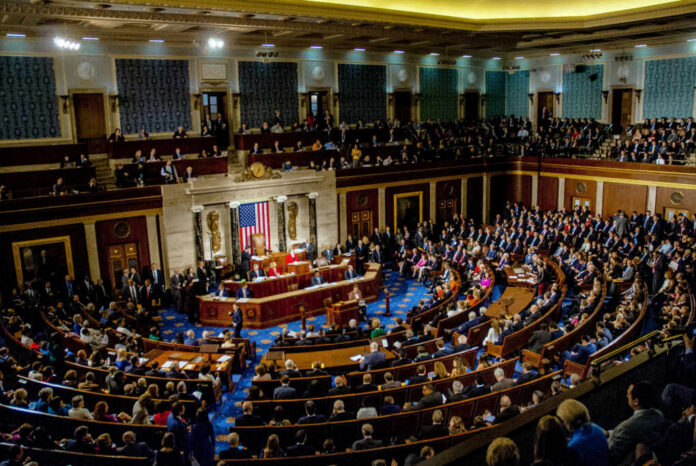
One day after Lindsey Graham celebrated a Russia sanctions deal he said “would become law,” the senator’s sudden death left his toughest bill — and America’s Russia policy — in the hands of a shaken Congress.
Story Snapshot
- Lindsey Graham’s Russia sanctions bill had broad bipartisan support and Trump’s backing before his sudden death.
- The bill could define Graham’s legacy but still faces Senate procedure, White House follow-through, and public trust issues.
- House Republican Mike Turner wants the Senate to pass the bill as a tribute to Graham’s work on Russia and Ukraine.
- Both conservatives and liberals worry political “legacy” talk may hide how Washington really makes big foreign policy choices.
Graham’s Sanctions Bill And Its Big Promise
South Carolina Senator Lindsey Graham built his final big project around a hard-hitting Russia sanctions bill aimed at punishing the Kremlin for its war in Ukraine. The Sanctioning Russia Act of 2025 lets the president spike tariffs, freeze assets, and block energy trade if Russia refuses peace or breaks a deal. The bill targets Russian leaders, military commanders, and foreign banks that help Moscow, and even hits countries that move Russian oil, gas, or uranium. These tools go far beyond past sanctions and would reshape how the United States uses economic power.
Graham did not push this alone. The bill drew bipartisan support from more than eighty senators, easily clearing the level needed to beat a possible veto. That kind of supermajority is rare in today’s polarized Congress and shows how angry both parties are about Russia’s actions. Graham also worked with House allies to move a matching bill, making the plan truly two-chamber and bipartisan. On paper, it looked like the kind of broad foreign policy step Washington once took with strong cross-party unity.
White House Support And Graham’s Final Trip To Kyiv
Days before his death, Graham flew to Kyiv and met with Ukraine’s president, then told reporters that the White House had agreed to back a revised version of the sanctions bill. He said negotiators had reached a deal with Trump’s team and that this meant the bill “is going to become law.” A European news clip echoed his claim that the White House would support the new draft, showing how he used public pressure to lock in that promise. For Ukraine and many Americans, this sounded like proof the United States still stood up to Russian aggression.
Graham’s sudden passing at age seventy-one, reported just after that trip, shocked leaders in Washington and abroad. He was one of Trump’s closest allies and one of the loudest voices on foreign policy, especially on Russia and Ukraine. His death removed the bill’s main architect at the exact moment he was trying to push it over the finish line. Now others must sell and defend the bill, including skeptics who do not trust either party’s foreign policy record. That raises hard questions about who really shapes sanctions: elected leaders or unelected national security insiders.
Turner’s ‘Legacy’ Push And What Happens In The Senate
Ohio Republican Mike Turner, who leads key House work on Russia and Ukraine, has urged the Senate to pass the sanctions bill as part of Graham’s legacy. This fits a common pattern in Congress when a member dies: colleagues rally around the person’s “unfinished work” to push it through. That tactic has made some stalled bills into law in the past, especially when they already had strong support. It also lets politicians look respectful while avoiding a deeper debate over costs and risks to regular Americans.
But even with a supermajority of sponsors, most bills never make it past committee or floor delays. Graham’s sanctions bill was sent to the Senate Committee on Banking, Housing, and Urban Affairs, where many bills simply stall. Senate leaders decide which measures get a vote and when, often with little public explanation. A study of recent Congresses found that a large share of bipartisan bills die quietly without a clear “no” vote, which feeds the sense that the system is rigged or opaque. That is exactly the kind of Washington behavior that frustrates both conservative and liberal voters.
South Carolina Politics And The Power Vacuum
Graham’s death also opened a major power gap in South Carolina and the Senate. When a senator dies in office, state law controls how the seat is filled. South Carolina calls for a temporary appointment followed by a special primary and election, which can quickly turn into a fierce fight inside the Republican Party. Ambitious figures, including Representative Nancy Mace, are already eyeing the seat, seeing it as a path to national influence and a say over Russia policy. The rush for power underscores how fast Washington moves from mourning to maneuvering.
The reported vacancy would begin an important transition for South Carolina and its representation in the U.S. Senate. State officials should provide clear information about the appointment process, the duration of any temporary appointment, and how the upcoming election will be…
— Global World TV News (@GlobalC83910) July 12, 2026
For many Americans, this mix of grief, global stakes, and political jockeying feels all too familiar. Voters on the right worry that deep state insiders use foreign crises to grow government power and spend billions overseas while problems at home are ignored. Voters on the left fear that sanctions and war talk help big energy and defense companies more than workers or taxpayers. Both sides see lawmakers talking about “legacy” and “values” while the real decisions happen in closed-door deals with lobbyists and staff.
What This Battle Reveals About Washington’s Priorities
Graham’s Russia bill highlights the gap between how Congress sells policy and how it actually works. On the surface, this is about punishing a hostile government and helping Ukraine survive. Beneath that, it is about who controls energy trade, financial flows, and America’s role in the world economy. Strong sanctions can hurt Russia, but they can also raise energy prices, strain allies, and give Washington new tools that future leaders might misuse. Voters who already doubt Congress see little clear debate about these tradeoffs.
As the Senate weighs whether to honor Graham by passing his bill, the deeper test is whether leaders will level with the public. Will they explain how sanctions might affect gas prices, trade, and jobs at home? Will they show the math on costs versus benefits, or simply wrap the bill in the flag and a fallen senator’s name? The answer will say a lot about whether Washington still serves citizens first — or continues to serve the same small group of powerful insiders who outlast every election.
Sources:
cbsnews.com, lgraham.senate.gov, politico.com, unn.ua, congress.gov, ballotpedia.org, youtube.com, kcra.com