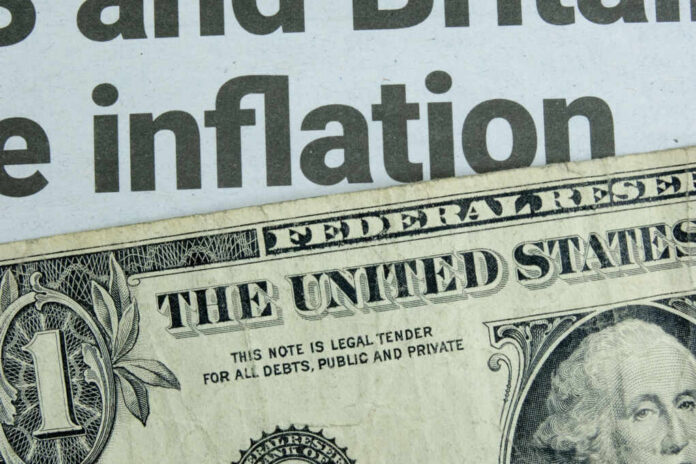
Iran’s squeeze on a critical oil chokepoint is showing up fast in American wallets, with inflation suddenly surging just as families thought prices were cooling.
Quick Take
- New CPI data shows inflation jumping to about 3.3%, the biggest monthly spike in roughly four years after February sat near 2.4%.
- Energy costs tied to Iran-related Strait of Hormuz disruptions are a central driver, pushing gas and transport expenses higher.
- Consumer sentiment has dropped sharply—reported below even some COVID-era lows—signaling broad anxiety about everyday costs.
- The Trump administration is emphasizing trade and growth signals, while the Federal Reserve faces renewed pressure to keep inflation contained.
CPI Spike Puts the Cost-of-Living Fight Back on Center Stage
Early May inflation data reversed the recent “cooling” narrative and reignited a political fight Americans know too well. Reports tied the latest Consumer Price Index jump to a rapid move up to around 3.3% after roughly 2.4% in February, described as the biggest monthly spike in four years. While inflation can rise for many reasons, the standout factor in current coverage is energy—because energy quickly bleeds into shipping, groceries, and commuting.
Household math is where this story turns from abstract to personal. Coverage highlighted consumers paying materially more per month for gasoline even as tax refunds improved. When fuel jumps, it behaves like a broad tax on work and family logistics—getting to the job site, visiting relatives, and running errands. That squeeze matters politically because it hits people who already feel government promises never translate into stable, predictable prices at the pump or the checkout line.
Why the Strait of Hormuz Matters to U.S. Inflation
Iran’s actions around the Strait of Hormuz are being cited as a key link between a faraway conflict and a domestic price spike. The strait is a vital corridor for global oil and gas flows, and even partial disruptions can push prices higher through fear, uncertainty, and rerouted shipping. Reports also note that shipping has not completely stopped, which helps explain why markets can whip around day to day even while inflation pressure builds.
Oil prices moving toward about $104 a barrel in recent reporting adds a clear, measurable stressor for consumers and businesses. Higher crude tends to feed into gasoline, diesel, jet fuel, and petrochemical inputs, raising the cost base for trucking and manufacturing. Even with U.S. production capacity, the economy remains connected to world pricing, and some refineries import crude. That reality frustrates Americans who were promised energy security yet still feel exposed to overseas instability.
Consumer Sentiment Collapses as Political Patience Runs Out
Consumer sentiment readings described in coverage fell to around 47.6, below levels seen during parts of the COVID period. That kind of number matters because it signals more than annoyance; it hints at people postponing big purchases and doubting that paychecks will stretch far enough. For conservatives, this revives long-running anger over years of policy that raised energy costs and expanded spending. For many on the left, it reinforces fears about inequality and affordability.
Those two frustrations often collide in Washington, but they share a deeper conclusion: the system feels rigged and unresponsive. When inflation jumps quickly, Americans tend to suspect insider protection—well-connected interests thriving while ordinary households absorb the volatility. The research provided does not prove misconduct, but it does show a repeated pattern: government leaders trade blame while the public experiences immediate pain, and trust erodes further with every “unexpected” CPI surprise.
The Fed and the White House Face a Narrow Path
The Trump administration has pointed to optimism around trade activity and broader economic momentum even as inflation data worsens. Meanwhile, the Federal Reserve remains the institution markets watch most closely when CPI surprises to the upside, because tighter policy can cool inflation but also risk slower growth. With energy-led inflation, the Fed’s tools are inherently limited: higher rates don’t reopen shipping lanes or calm the Middle East, but they can reduce demand at home.
Looking ahead, the key limitation is uncertainty: coverage describes disruption risk and elevated oil prices, but not a fully sealed strait or a clear end-date for the conflict. That leaves Americans living week to week with price swings—exactly the kind of instability that hardens public skepticism toward “expert” forecasts and political talking points. The immediate takeaway is practical: when geopolitics hits energy, inflation can re-accelerate quickly, and families are the first to feel it.
Sources:
Netanyahu says war not over; oil prices rise; Brent at 104; Nifty expected to see gap down
4 Stocks to Buy After Earnings