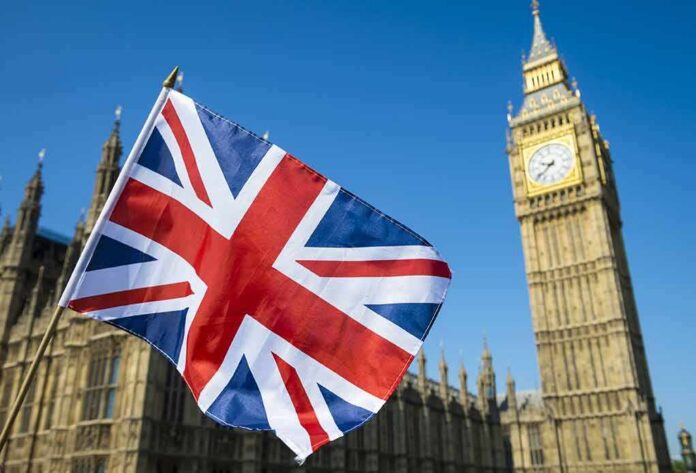
France’s president told Britain “welcome back” after the UK leader said rejoining the European Union is on the table, reviving a fight that split the country once before.
Story Highlights
- UK Prime Minister Andy Burnham said options include rejoining the European Union or closer trade ties.
- France’s Emmanuel Macron and Spain’s Pedro Sanchez welcomed the idea but warned against “pick and choose” terms.
- Polling shows more Britons now favor rejoining, yet sovereignty red lines remain strong.
- Any bid to rejoin would be slow and would not restore the UK’s old special opt-outs.
What Burnham Said And Why It Matters
United Kingdom Prime Minister Andy Burnham said the country should weigh several paths for its future with Europe. He listed keeping the status quo, forming a customs union, rejoining the single market, or “going all the way” and seeking full membership in the European Union. His comments reopened a core question from the Brexit era. They also signaled that the government is testing voter appetite for big changes before a planned United Kingdom–European Union summit later this year.
French President Emmanuel Macron reacted in English, saying “welcome back,” while adding that any reset cannot let Britain “pick and choose” parts of membership. Spanish Prime Minister Pedro Sanchez also greeted the idea of a United Kingdom return to the European project. These responses show top European leaders would receive talks warmly. But they also set a clear line: any new bid would follow standard rules, not a special deal designed only for Britain.
How Europe Would Set The Terms
Former European Union Brexit officials and policy experts say rejoining would require a full application and talks with all member states. They say Britain is unlikely to regain past opt-outs, such as special budget rebates or broad exemptions from common rules. Analysts estimate the process could take five to ten years even under friendly conditions. It would demand legal, economic, and political steps at home and across Europe before a final approval vote.
Macron’s “welcome back” was paired with a warning about “pick and choose” membership. That reflects a broader lesson from the first Brexit talks. European Union leaders will not reward exit and return with tailor-made exceptions. Any United Kingdom path back would need to meet the same standards other applicants follow. That includes accepting shared rules and courts and making budget contributions set by the bloc.
Where Public Opinion And Politics Collide
Recent surveys show more Britons think Brexit was a mistake, and a narrow majority now backs rejoining the European Union. Yet other research finds voters remain wary of giving up control. Many right-leaning groups reject any role for the European Court of Justice, which would be part of deeper alignment or full membership. This split explains Burnham’s menu of options. He is trying to balance economic hopes with sharp concerns about power and borders.
🇬🇧🇪🇺 Is the #Brexit debate really reopening?
🇫🇷 Macron: “Welcome back” if Britain wants to rejoin the EU.
🇪🇸 Sánchez: Spain would welcome the UK back “with open arms”.
🇬🇧 Burnham: Britain could “go all the way” and consider EU membership.#Europe #UK
— Alexander Seale (@AlexSeale) September 30, 2026
Opponents warn that reopening the issue risks new division. A public forum on British Broadcasting Corporation Question Time featured a plea not to relive the “winner take all” politics of the last referendum, calling another fight “catastrophic” so soon after the split. Some conservative voices also argue that calls to rejoin come from a noisy fringe and that the main economic shock was the pandemic, not Brexit itself. These claims will shape how far and how fast leaders push.
What This Means For Americans Watching From Afar
This debate shows how slow, elite-driven systems can drag nations back into old fights while daily costs keep rising. European leaders offered a friendly welcome, but only on their terms. British leaders floated big ideas, but with few details on trade-offs. Many voters want better pay and lower prices, not years of talks. People on left and right will see a familiar pattern: global rules set far away, and leaders at home asking for patience yet again.
What To Watch Next
Watch for the United Kingdom government to test language on customs ties and the single market before it mentions a full bid. Look for European Union leaders to stress unity and process, not speed. Track whether polls hold once costs, court jurisdiction, and migration rules enter the debate. Finally, watch if Number 10 seeks a mandate through a referendum or an election pledge. The choice of path will reveal whether this is real policy or only political theater.
Sources:
insiderpaper.com, bloomberg.com, live.euronext.com, huffingtonpost.co.uk, theguardian.com, tbsnews.net, telegraph.co.uk, reuters.com, globalbankingandfinance.com, inkl.com, moreincommon.org.uk