A Learjet 60 carrying nine people plunged thousands of feet in about a minute before crashing near homes in Palm Beach County, triggering a federal investigation and a community in shock.
Story Snapshot
- National Transportation Safety Board (NTSB) leads the crash investigation with Federal Aviation Administration (FAA) support.
- FAA reported a drop from about 35,250 feet to 8,750 feet in just over a minute.
- Nine people died when the jet crashed near Military Trail in the Greenacres area around 12:50 p.m. on November 1.
- NTSB scheduled a media briefing in Palm Beach County led by Board Member Tom Chapman.
What Happened in Palm Beach County
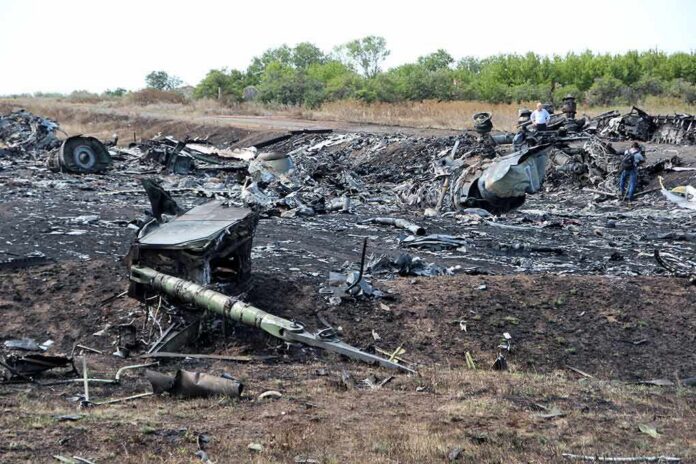
Federal officials said a Learjet 60 left Austin, Texas, bound for North Eleuthera in the Bahamas on November 1. Around 12:50 p.m., the jet went down near homes by Military Trail in the Greenacres area of Palm Beach County. Local responders found heavy damage and fire at the scene. All nine people on board died, according to early reports from officials and media on the ground.
The Federal Aviation Administration (FAA) shared early flight details that point to a rapid event. Radar data showed the jet falling from roughly 35,250 feet to 8,750 feet in a little over a minute. That equals a descent of about 350 feet per second. The speed and depth of that drop suggest crew and passengers had little time to respond before impact, though the exact trigger has not been identified yet.
Who Is Investigating and What Comes Next
The National Transportation Safety Board (NTSB) is in charge of the investigation, with help from the FAA. NTSB Member Tom Chapman scheduled a briefing at the county’s Emergency Operations Center to share verified facts gathered on scene. The NTSB says on-scene briefings provide basic facts, while the preliminary report, due within about two weeks, will summarize early findings without naming a cause.
Federal rules limit what can be released while an investigation is active. Agencies share status updates and factual points but hold back analysis until evidence is reviewed. That evidence includes radar tracks, maintenance records, weather data, wreckage exams, and recorder data if available. The process aims to prevent early guesses from crowding out the truth that careful work can show later.
What Investigators Will Look For
Investigators will map the final minutes of flight and test several paths. They will compare weather along the route with radar and pilot reports. They will study engines, flight controls, and any signs of structural issues. They will check maintenance history and crew training. If recorders are recovered, they can confirm altitude, speed, cockpit warnings, and crew actions in the last moments before the crash.
SHE BECAME A PILOT AT JUST 17. FOUR YEARS LATER, HER LIFE ENDED IN A TRAGIC PLANE CRASH. 💔
20-year-old Nathalia Gadelha Filgueiras was the co-pilot aboard a Learjet 60 that crashed in Florida on November 1, killing all nine people on board.
She had earned her private pilot’s… pic.twitter.com/7f2j2Ozf3N
— LUCK7773 (@Luck_7773) November 2, 2026
Officials have not said whether weather, a mechanical problem, or human factors caused the sudden descent. Early media accounts describe a steep, fast drop and severe ground damage, but federal teams have not named a cause. That restraint is standard at this stage. A final report, which can take many months, will identify the probable cause and list safety steps meant to prevent a repeat.
Why This Matters Beyond Aviation
Crashes like this test how our institutions serve the public. Families want straight facts, not spin. People in both parties worry that big systems hide mistakes and protect the powerful. The NTSB’s job is different. By law, it works in public view and explains its methods. The best guard against doubt is steady, verified detail that shows what failed, why it failed, and how to fix it for everyone who flies.
Community Impact and Safety Culture
The jet fell near homes, which raises fear for families on the ground as well as those who fly. Local teams evacuated people, fought fires, and secured debris fields while federal teams arrived. That teamwork is part of a hard-learned safety culture in the United States. Each step, from scene control to final reporting, builds the record that leads to safer skies and better protection for neighborhoods under busy flight paths.
What to Watch For Next
Watch for the NTSB preliminary report, which should arrive within about two weeks. Look for confirmed details on the jet’s registration, operator, maintenance history, and any recorder data. Expect the agency to add technical updates as wreckage and records are analyzed. Avoid theories that outpace the evidence. The facts that matter most will come from the formal docket and the final report naming probable cause and safety recommendations.
Sources:
youtube.com, abcnews.com, wpbf.com, fox5atlanta.com, ecfr.gov, ntsb.gov