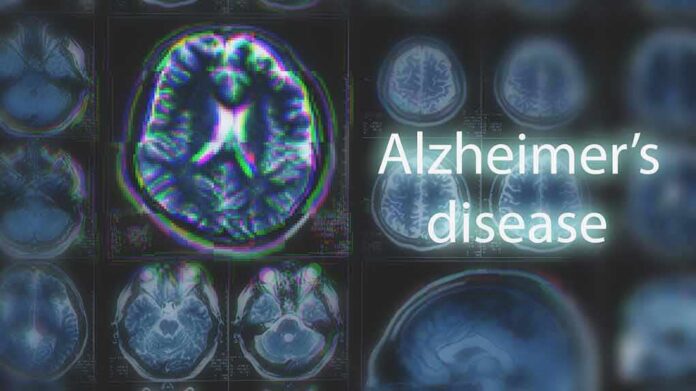
Scientists have found a way to spot signs of chronic traumatic encephalopathy in living people by borrowing a test built for Alzheimer’s disease.
Quick Take
- Researchers adapted an ultra-sensitive Alzheimer’s test to detect abnormal tau proteins tied to CTE, a brain disease usually confirmed only after death.
- The test can spot tau “seeds” in amounts as tiny as a pinhead diluted into a thousand gallons of liquid.
- CTE has long been diagnosed only through autopsy, leaving athletes, veterans, and families without answers while patients are alive.
- Experts caution this is early evidence, not a finished diagnostic tool ready for doctors’ offices.
A New Use For An Old Tool
The National Institutes of Health (NIH) says researchers built this test using ideas first developed to catch prion diseases, a rare and deadly group of brain illnesses. They reworked that method into something called AD RT-QuIC. It hunts for misfolded tau proteins, the same kind linked to both Alzheimer’s disease and CTE.
CTE shows up in football players, other athletes, and military veterans who have taken repeated hits to the head. Right now, doctors can only confirm CTE by studying brain tissue after a patient dies. That leaves living patients and their families guessing, sometimes for years, about what is causing memory loss, mood changes, or confusion.
Symptoms tied to CTE go beyond forgetfulness. The Alzheimer’s Association lists confusion, personality changes, aggression, depression, and even suicidal thoughts among the warning signs. Because these symptoms overlap with other brain diseases, having a reliable test while someone is still alive could change how doctors treat patients and how families plan for care.
Why Scientists Are Encouraged But Not Celebrating Yet
Tau seed detection tests like this one have a strong track record. Studies show they can tell apart tau tied to Alzheimer’s from tau tied to other brain diseases with high accuracy in lab samples taken after death. Researchers found that the twisted shape of tau protein in CTE is actually different from the tau shape in Alzheimer’s, which helps the test tell the two apart.
Other approaches have not worked as well. A brain scan technique called PET imaging looked promising for Alzheimer’s but struggled to reliably detect CTE, according to research published through Medscape. That track record explains why scientists are cautious about declaring any single tool a breakthrough until it holds up in living patients over time.
This pattern shows up again and again in brain disease research. A lab test detects something real in a small set of samples, then years of additional testing follow before doctors trust it enough to use on patients. Blood and spinal fluid biomarkers for CTE remain unapproved for clinical use even now, researchers note.
What Comes Next For Patients And Families
Clinical trials are already underway to push this research forward. One ongoing study, open to men 50 and older, is testing ways to detect and diagnose CTE while patients are still alive. This kind of long-term, careful testing is exactly what stands between an encouraging lab result and a test your doctor can actually order.
For the millions of Americans worried about brain injuries in youth sports, professional athletics, or military service, this research offers a real reason for hope. It does not yet offer a finished answer. Families dealing with unexplained cognitive decline should know this tool remains a research finding, not something available in doctors’ offices today.
The stakes are high because CTE cannot currently be treated once it takes hold, and an early, accurate diagnosis while someone is alive could shape decisions about care, safety, and quality of life for thousands of people every year.
Sources:
sciencenews.org, nih.gov, pmc.ncbi.nlm.nih.gov, clinicaltrials.gov