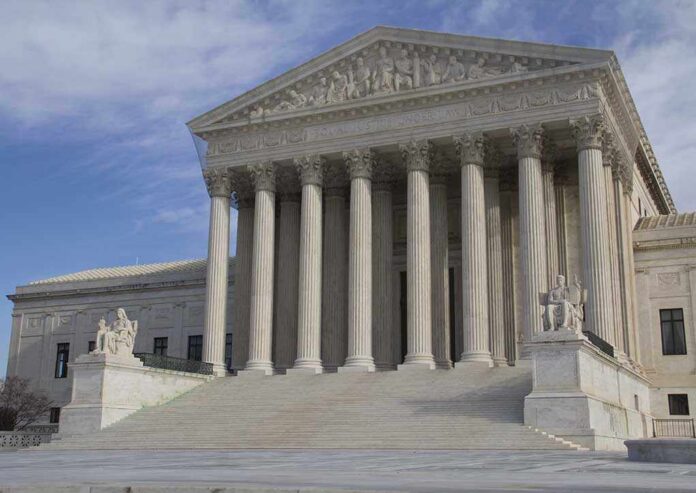
A federal appeals court just struck down West Virginia’s “Daniel’s Law” because it punished speech based on what was said and who it was about, not how it was used.
Story Snapshot
- The Fourth Circuit ruled West Virginia’s address-and-phone ban unconstitutional under strict scrutiny.
- Judges said the law targeted speech content and lacked a basic notice or removal process.
- The statute threatened at least $1,000 per violation plus punitive damages and fees.
- Lawmakers passed the measure to protect justice officials after a 2020 tragedy.
What The Court Actually Held
The United States Court of Appeals for the Fourth Circuit said West Virginia Code § 5A-8-24(e) violates the First Amendment. The panel called the law “content based” because it bans publishing certain data about certain people. That triggered strict scrutiny, the toughest test in free speech cases. The court said the state’s goal of safety is important, but the method was too broad. The decision came in cases against data and information companies, and the opinion was published.
The judges also focused on tailoring. They wrote that the law lacked a notice or individualized removal system. That omission made the ban more restrictive than other laws the court viewed as narrower. The court said this gap showed the state did not choose the least restrictive way to protect officials. That finding mattered because strict scrutiny requires using the narrowest effective tool to reach the stated goal.
What The Law Tried To Do
West Virginia’s Legislature passed its version of “Daniel’s Law” in 2021 after a gunman found a federal judge’s home address online and killed her son, Daniel Anderl. Supporters said the law would guard judges, prosecutors, public defenders, and law-enforcement officers from harassment and harm. The statute barred publishing their home addresses or unpublished home or personal phone numbers without permission if a reasonable person would see a risk of harm from that disclosure.
The law covered active, former, and retired officials. It created a private right to sue. Reports said each violation could cost at least $1,000, with possible punitive damages, attorney fees, and court orders forcing removal. Those penalties raised the risk for publishers and databases. That risk can chill speech even before a court rules. The appeals court highlighted how such broad exposure, without a clear notice path, burdens lawful publication.
Why This Ruling Matters Beyond West Virginia
This fight sits in a long line of cases about publishing truthful, lawfully obtained information. The Supreme Court has protected such speech unless the state can show a need of the highest order, and a narrow fix to meet it. That tradition shapes how courts read new privacy and safety laws. States can protect people. But when they punish publication itself, courts often demand precise limits and procedural safeguards before liability attaches.
Many readers across the spectrum will see a core tension here. People want judges and officers safe at home. People also want a government that does not muzzle speech to avoid scrutiny. When lawmakers skip basic tools like notice-and-takedown or opt-in suppression, they invite courtroom losses and public distrust. That cycle feeds a broader belief that leaders reach for sweeping fixes, then leave citizens and small publishers to carry the legal risk if they guess wrong.
What Comes Next For Safety And Speech
West Virginia can revise the law. The opinion points to narrower routes. Those include clear notice to publishers, fast removal paths, and focused bans tied to proven threats. Lawmakers can also target misuse, like doxxing with intent to stalk or harm, rather than banning publication based on who the subject is. Such options reduce risk to speech while still addressing real safety needs for public servants and their families.
Other states watching this case face the same tradeoff. Broad identity-based bans on publishing home data are likely to fail under strict scrutiny. Procedures that let officials request redaction, paired with penalties for direct threats or stalking, stand a better chance. That balance respects both safety and the First Amendment. It also shows citizens that leaders can protect without overreaching—an important step toward rebuilding trust in institutions that too often feel unaccountable.
Sources:
code.wvlegislature.gov, lw.com