A Florida congressional candidate filmed himself in a Marine uniform calling President Donald Trump the “Antichrist” and saying he “must be killed,” and the Marine Corps publicly condemned him within hours.
Story Snapshot
- William Upham posted a video calling Trump the “Antichrist” and saying he “must be killed”
- The United States Marine Corps disavowed Upham’s remarks and issued a public rebuke
- The video referenced Trump’s clash with the pope and a Jesus-themed image as triggers
- The episode spotlights rising violent rhetoric and the risks it poses to public trust
What Happened: Candidate’s Video And Immediate Backlash
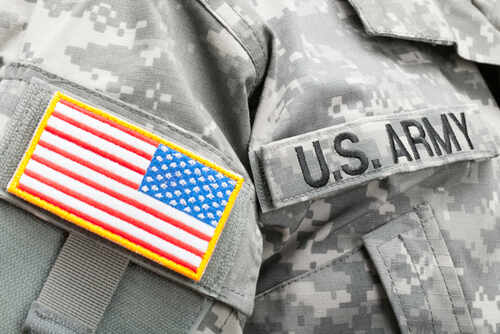
William Upham, a write-in candidate for Florida’s 5th Congressional District and a former Marine, posted a video to social media in which he called President Donald Trump the “Antichrist” and a “false Messiah,” and then said the president “must be killed”. Upham delivered the message while wearing a Marine uniform, which amplified the reaction. The comments spread quickly online and drew sharp criticism across the spectrum. The language also raised clear legal and security concerns.
The United States Marine Corps responded publicly. Marine officials stated they were aware of the “disturbing” comments and disavowed Upham’s statements, making clear he does not speak for the service. The rebuke emphasized that his video does not represent Marine Corps values or policy. The Corps’ move signaled how seriously the military treats political threats, especially those tied to a uniform. The response also aimed to protect the institution from being dragged into campaign rhetoric.
Why He Said It: Religious Claims And Recent Flashpoints
Upham linked his claims to recent flashpoints involving religion and politics. He cited Trump’s online post of an image that depicted him in Jesus-like form and Trump’s criticism of the pope as moments that shaped his belief. He argued these events showed Trump as a “false Messiah” and enemy. That framing is part of a long trend where American political leaders are cast in end-times roles by critics, often when religious imagery mixes with presidential power and public performance.
This pattern is not new. Past presidents and public figures have faced similar “Antichrist” labels from parts of the public conversation. Scholars and reporters have traced these claims from the late nineteenth century to the present, with social media now speeding their spread. Some religious commentators warn against such labels, while others try to map headlines to prophecy timelines. The friction grows when leaders embrace grand symbols that touch faith and identity.
What Authorities And Law Say About Violent Rhetoric
United States law draws a line between protected speech and true threats. Calling for violence against a sitting president can trigger criminal review and security steps, even if the speaker frames it as opinion. The Secret Service and the Department of Justice have long treated explicit calls to harm presidents as potential threats requiring action. Wearing a military uniform while making such remarks adds another layer of concern about perceived authority and incitement.
The Marine Corps’ quick and clear response underscored that point. Military leaders guard their apolitical role and reject any hint that the armed forces back violent political language. That stance protects trust in civilian control of the military. It also reassures citizens that uniforms cannot be used as props to bless calls for unlawful acts. The sharper the political divide grows, the more vital that guardrail becomes to public order and confidence.
Why This Resonates: Shared Frustration And Elite Drift
Many Americans on the right and left feel the system is failing them. They see leaders who posture for clicks while prices rise, borders strain, and culture wars replace real fixes. Into that mistrust, extreme rhetoric can feel like a shortcut to meaning. People reach for simple, cosmic labels to explain hard problems. That can turn political rivals into enemies and then into targets. The country loses common ground when words like “must be killed” enter the debate.
What about this guy who's like threatening the the president's life online deessed in a Marine corps uniform saying he's an officer?
William Upham is a candidate running for the U.S. House of Representatives to represent Florida's 5th Congressional District in the 2026…
— Lady Liberty 🗽 (@LADYLIBERTeee) July 15, 2026
Both sides worry about elites gaming the rules. They see insiders protect their own and dodge accountability. Episodes like this one confirm a deeper fear: our institutions bend under pressure and symbols replace substance. When a candidate in a uniform uses sacred language to push violence, it shocks the system. But it also shows how badly we need civics that prize restraint, due process, and the dignity of every person, no matter their vote or faith.
Bottom Line: Decency And Law Are The Nonnegotiables
The facts are clear. A candidate called the sitting president the “Antichrist” and said he “must be killed,” and the Marine Corps condemned it in public. People can argue hard about policy, religion, and culture. They cannot call for murder and expect a free society to stand. If we want the government to serve the people again, we must police our own words first. Lower the heat, lift the standard, and demand better from those who seek power.
Sources:
thegatewaypundit.com, washingtonexaminer.com