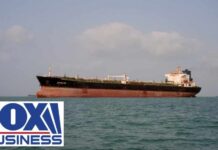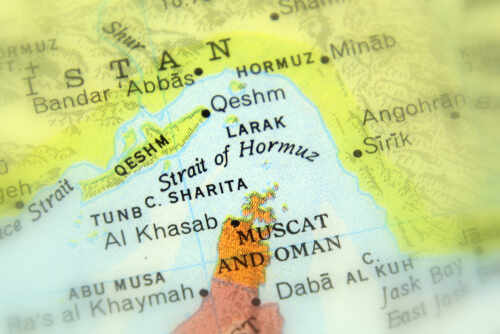
Ships are still slipping through the Strait of Hormuz, but the world’s energy chokepoint is running on a knife’s edge.
Story Snapshot
- Data shows dozens to hundreds of transits since March, even amid attacks and threats.
- Live trackers and advisories also show sharp slowdowns and days with near-zero movement.
- Iran warns ships to seek approval and follow its route; the United States says the strait remains open.
- Conflicting signals fuel price spikes, insurance hikes, and fears of elite mismanagement of vital trade.
What the traffic data actually shows
BBC reporting found almost 100 ships crossed the strait in March, or about five to six per day, even as danger rose. After a ceasefire on April 8, a maritime firm counted at least 172 transits, with 42 on one Saturday, showing brief rebounds when guns quieted. A later report said 25 commercial vessels passed on a Thursday after a June 17 agreement, the most since April. These counts suggest the strait never fully shut, but flows were far below normal.
Other sources paint a harsher picture. A Reuters graphic showed tanker traffic grinding to a standstill as the crisis began. A Wall Street Journal update said only three ships per day were moving, down from 138 before the conflict, with risk at a critical level. A live dashboard recorded stretches of zero outbound commercial traffic in late June. These figures show commerce can pause without notice, even after short-lived bursts of movement.
The clash of “open” vs. “closed” claims
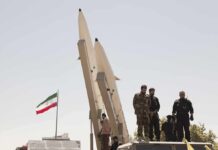
United States Central Command said the strait remained open for transit, even after Iran claimed it was closed. Iran’s Islamic Revolutionary Guard Corps warned ships not to cross without its approval and told them to use a coastal route it set, calling other paths dangerous. Reports also said several Iranian tankers and cargo ships did pass after a memorandum of understanding, showing selective, approved movement was possible. These positions explain why some ships moved while many stayed put.
Blockade and warning dynamics add pressure. Reuters reported six Iranian oil tankers had to turn back due to enforcement actions, underscoring that politics and patrols can trump paper deals. When militaries issue orders and armed boats patrol narrow waters, insurance costs jump and captains wait. Each new strike or threat chills traffic and scares crews. Even a single attack can reset risk models and push operators to anchor for days.
Why this matters for Americans’ wallets and trust
The Strait of Hormuz carries a large share of the world’s oil and fuel. When traffic slows, prices can rise fast. Families feel it at the pump, on utility bills, and in the cost of goods that move by truck and ship. The confusing mix of “open” and “closed” claims deepens public doubt. People across the political spectrum see a pattern: officials and powerful interests talk past each other while ordinary workers pay more and get less stability.
Both parties share blame in the eyes of many voters. Some point to long wars, unclear red lines, and energy plans that left the country exposed to foreign chokepoints. Others argue that aggressive postures, fossil fuel dependence, and thin diplomatic channels made crises more likely. Either way, results matter more than rhetoric. Safe, steady flows through Hormuz mean lower prices and fewer shocks. Mixed messages mean more fear premiums and market swings.
Reading the signal in the noise
The best read of the facts is this: the strait is not fully shut, but it is far from normal. Ships can and do pass at times, especially after deals or pauses in strikes. Yet live tools and advisories show long lulls, very small daily counts, and sudden stops that match new threats. For now, risk rules. Decisions by a few armed actors can override the plans of hundreds of shipowners in minutes.
🚢 Strait of Hormuz vessel traffic drops over 50% amid renewed attacks
📍 Commercial crossings fall about 52% between July 10 and 12 near strategic waterway, as ships shift to perceived safer routes, MarineTraffic says
— Markets Today (@marketsday) July 13, 2026
For citizens, focus on three practical markers. First, daily transit counts from neutral trackers and maritime firms. Second, insurance terms and rates, which show real risk better than speeches. Third, confirmed changes in military posture. If those three trend positive together, prices should ease. If they split, expect more shocks. In short, America can bomb targets in Iran, but it cannot bomb away a narrow waterway’s fear factor—or the costs that fear creates.
Sources:
insiderpaper.com, aljazeera.com, hormuztracking.com, reuters.com, bbc.com, statista.com, cnn.com