California’s latest primary results hint at a voter backlash against “business as usual,” but the real story is how anger at corruption, chaos, and political extremes is running headlong into an election system many voters no longer trust.
Story Snapshot
- Close, unusually competitive races are tempting both sides to claim a mandate, but the numbers are still shifting under California’s slow-count system.
- Incidents like a ballot box fire and vandalism at a voting center fuel a sense of lawlessness and incompetence rather than confidence in clean elections.
- California’s top-two primary structure and late-counted mail ballots make “rebellion” narratives easy to spin and hard to prove.
- Polls and policy fights over issues like voter identification show a broad crisis of trust in elections that cuts across left and right.
How The Primary Results Fed Talk Of A Voter “Revolt”
Live primary coverage out of California highlighted unusually competitive Republican showings and anti-establishment candidates in a state long dominated by Democrats, inviting commentary that voters were finally rebuking corruption, dysfunction, and radical politics.[1][4] Early returns in the official statewide results system showed several high-profile contests with relatively tight margins and fragmented fields under the top-two primary rules, where only the two highest vote-getters advance regardless of party.[3] Those optics made it easy for commentators to describe competitiveness itself as proof of a political realignment.
Election-night broadcasts also underscored voter frustration with rising crime, homelessness, high costs of living, and distrust in state institutions, themes that resonate with both conservative and liberal critics of the status quo.[1][4] When challengers campaigned on cleaning up city hall, restoring public order, and reining in insiders, their traction fit a broader backlash narrative, even if most races remained within the usual partisan lanes.[4] The combination of visible anger and a few surprising performances gave fuel to the claim that Californians were finally pushing back against what many see as a governing class detached from everyday struggles.
Why The Data Does Not Yet Prove A Clean Anti-Corruption Mandate
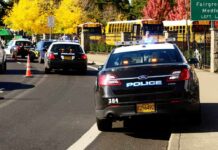
Los Angeles County officials confirmed they were investigating two possible election interference incidents on primary day, including a ballot box fire and vandalism at a voting center, but at the time of reporting there was no suspect, no clear motive, and no evidence of impact on vote totals.[1] Those facts show serious security concerns yet fall short of demonstrating systemic corruption being punished at the ballot box. They also illustrate how dramatic images of chaos can shape perceptions long before investigators or auditors finish their work.
The state’s official election results site made clear that counts were still in progress, with late-arriving mail ballots and provisional ballots outstanding in many counties.[3] California’s long verification timeline, driven partly by generous mail-ballot acceptance rules, routinely produces “blue shifts” or late changes that can flip narratives built on early returns.[1] Analysts who track California’s elections caution that early competitiveness or leads for outsiders under the top-two system reflect preliminary snapshots, not definitive proof that voters in one night decisively rejected corruption or radicalism across the board.
How California’s System Fuels Suspicion On Both Left And Right
California’s slow counting process has already sown widespread distrust, with a CalMatters analysis noting that lengthy waits for final results create openings for people to question outcomes and spread claims of fraud, even when audits later validate the tallies.[1] Election experts in a public forum on the future of California’s voting systems warned that aging infrastructure, uneven access, and rising misinformation together threaten public confidence, and that each additional day of uncertainty makes it easier for bad actors to allege rigging without evidence.[2] That dynamic feeds the broader belief that the system is opaque and unaccountable.
Separately, new polling shows that many Californians see a “threat to American democracy” and are paying close attention to an upcoming statewide measure on voter identification, which supporters frame as basic security and opponents portray as a partisan attempt tied to former President Donald Trump.[3][4] The very fact that voter identification is becoming a central fight in a deeply Democratic state underscores how little trust remains in the current rules. For citizens on both the right and the left who already suspect elites of gaming the system, contested reforms and messy counts look less like mere process issues and more like confirmation that the political class is not serious about clean, credible elections.[1][3][4]
Sources:
[1] Web – LIVE RESULTS: Have Californians Had Enough of Zombies, Corruption, and …
[2] YouTube – California primary election: LA officials investigate interference …
[3] Web – Prop 50 Special Election: Voter Information Center – Common Cause
[4] Web – California Election Results