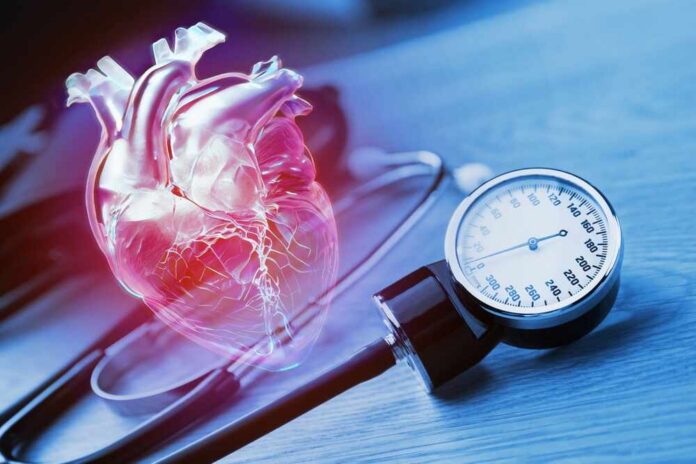
A mother’s devastating grief over her son’s suicide triggered a life-threatening heart condition that mimics a heart attack, exposing how emotional trauma can literally break the human heart.
Story Snapshot
- Broken heart syndrome strikes bereaved mothers experiencing extreme emotional trauma, causing heart dysfunction indistinguishable from heart attacks
- The condition affects primarily postmenopausal women, with 90% of cases triggered by sudden emotional stressors like the death of a loved one
- Recent U.S. data reveals a concerning 6.5% mortality risk from broken heart syndrome, unchanged despite medical advances
- Most patients achieve full recovery within weeks, though 4-10% face recurrence and long-term emotional impacts
Medical Crisis Following Unimaginable Loss
Broken heart syndrome, medically termed takotsubo cardiomyopathy, represents a genuine medical emergency triggered by overwhelming emotional distress. When a mother learns of her son’s suicide, stress hormones like adrenaline surge through her system, temporarily paralyzing portions of the heart’s left ventricle. This creates chest pain, shortness of breath, and cardiac dysfunction appearing identical to a traditional heart attack. Unlike heart attacks caused by blocked arteries, broken heart syndrome stems from emotional devastation stunning the heart muscle. The condition demands immediate medical attention, as symptoms can escalate to dangerous complications including heart failure, blood clots, and cardiac arrest.
Understanding the Body’s Response to Grief
The syndrome earned its name from the heart’s distinctive shape during episodes, resembling a Japanese octopus trap called a takotsubo. First documented in Japan in 1990, researchers discovered that extreme stress hormones essentially paralyze the heart, causing the left ventricle to balloon outward while the base contracts normally. Dr. Tim Martin at UnityPoint explains that broken heart syndrome can develop in anyone previously healthy, requiring treatment protocols similar to heart failure management. Cardiologists diagnose the condition through echocardiograms revealing the characteristic heart shape and absence of arterial blockages. The physical manifestation of grief demonstrates how deeply interconnected emotional and physical health remain, challenging assumptions that heartbreak exists only as metaphor.
Disproportionate Impact on Vulnerable Populations
Medical data reveals broken heart syndrome overwhelmingly affects postmenopausal women, who comprise 90% of diagnosed cases. This demographic vulnerability raises questions about hormonal factors and stress response differences that healthcare systems inadequately address. The condition’s prevalence among older women experiencing bereavement highlights a public health gap in supporting those facing devastating losses. Recent U.S. studies examining nearly 200,000 cases between 2016 and 2020 documented a persistent 6.5% mortality and complication rate, unchanged despite medical advances. For families already shattered by suicide, this added medical crisis compounds trauma and financial burden through hospitalization costs and ongoing cardiac monitoring requirements.
Recovery Outlook and Recurring Risks
Most broken heart syndrome patients achieve full cardiac recovery within one to four weeks as stress hormone levels normalize and heart function restores. Cardiologists typically prescribe medications managing blood pressure, preventing clots, and supporting heart muscle recovery. Follow-up echocardiograms at four to six weeks confirm ventricle function restoration. However, Harvard Medical School researchers note that 4-10% of patients experience recurrence, often triggered by subsequent stressful events. Long-term impacts extend beyond physical recovery, with many patients reporting persistent fatigue and depression months after their initial episode. Johns Hopkins experts recommend stress reduction techniques including meditation and yoga as preventive measures, though such interventions offer little comfort to those processing profound grief.
The intersection of mental health crises and cardiac emergencies exposes systemic failures in addressing interconnected wellness needs. When a son’s suicide triggers his mother’s hospitalization, communities face compounded tragedies revealing inadequate mental health support and crisis intervention. Research indicates emotional triggers like child bereavement actually yield better five-year survival rates compared to physical stressors, suggesting the heart’s remarkable capacity for healing when provided proper care. Yet the 6.5% mortality rate represents hundreds of preventable deaths annually, raising concerns about emergency response protocols and public awareness. Medical organizations emphasize calling 911 immediately for chest pain, as distinguishing broken heart syndrome from heart attacks requires professional diagnostics impossible for patients or families to perform independently during crisis moments.
Sources:
Broken Heart Syndrome – Cleveland Clinic
Can You Really Die From a Broken Heart? – UnityPoint Health
Broken Heart Syndrome – Mayo Clinic
Takotsubo Cardiomyopathy (Broken-Heart Syndrome) – Harvard Health
Broken Heart Syndrome – Johns Hopkins Medicine
Risk of Death from Broken Heart Syndrome – American Heart Association
Takotsubo Cardiomyopathy Research – PMC
Takotsubo Cardiomyopathy – British Heart Foundation