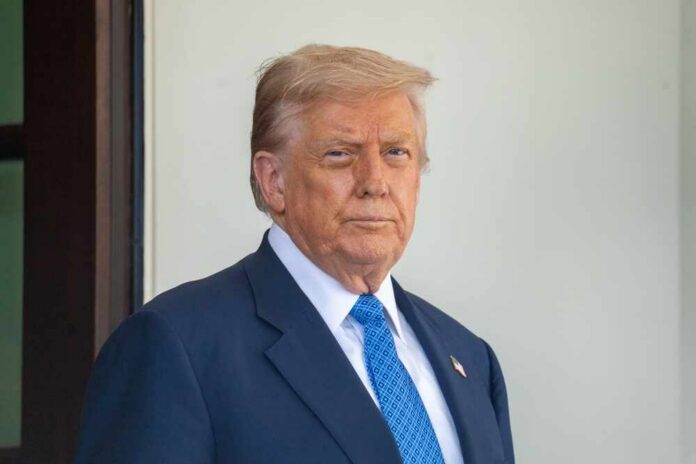
President Trump’s blunt rebuke of Israel’s war on Hezbollah is forcing hard questions about endless wars, civilian deaths, and who is really steering U.S. policy in the Middle East.
Story Snapshot
- Trump told Prime Minister Netanyahu his Lebanon war is “too long,” killing too many civilians, and hurting a fragile Iran peace deal.
- He urged Israel to halt major attacks on Beirut and claims Netanyahu “turned his troops around” after a heated call.
- Trump says he even spoke with Hezbollah representatives about stopping fire, while media fixates on his expletives, not his strategy.
- Israel insists its strikes are self‑defense, as global critics and Iran try to use Trump’s rebuke to weaken U.S. leverage.
Trump Draws a Line on Endless Wars and Civilian Casualties
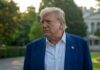
Speaking at the G7 summit in France, President Donald Trump said he is “not happy” with how Israel has fought Hezbollah in Lebanon, warning that the war is dragging on “too long” and that “too many people are being killed.”[1] He singled out strikes that level entire apartment buildings to hit one Hezbollah commander, stressing that “there are a lot of people in those apartment houses” who are not terrorists.[1] For many conservatives, this hits a nerve: Americans are tired of open‑ended wars that kill civilians, fuel hatred of the West, and never seem to end. Trump’s message was simple and sharp — fight terrorists, but do it fast, smart, and with respect for innocent life, before the blowback lands on America’s doorstep.
Reports from Axios and others say Trump’s phone call with Israeli Prime Minister Benjamin Netanyahu over Lebanon was heated, with Trump blasting the campaign as politically and strategically damaging. After that call, Trump posted that he asked Netanyahu “not to go into a major raid of Beirut” and claimed, “He turned his troops around. Thank you Bibi!” He also said he spoke with “representatives of the leaders of Hezbollah” who agreed to stop shooting at Israel and its soldiers, with Israel agreeing to stop shooting at them. Whether every detail of that claimed ceasefire holds up on the ground, the core point is clear: Trump is using U.S. leverage to slow escalation instead of writing blank checks for any operation Israeli leaders choose.
Iran Peace Deal, Beirut Strikes, and a Clash Over Strategy
Trump’s rebuke comes as his administration pushes a fragile memorandum of understanding with Iran to halt a broader war and reopen the Strait of Hormuz, a vital oil route that directly affects what Americans pay at the pump.[4] On the very day a key Iran deal milestone was approaching, Israel struck Beirut’s southern suburbs, a move Trump publicly said “should not have happened” and warned could jeopardize the agreement. He urged “no more attacks by Israel anywhere in Lebanon” and also demanded that Hezbollah stop firing on Israel, framing it as a two‑way freeze in the name of a larger peace.[5] For a base that cares about lower energy prices and avoiding another trillion‑dollar Middle East quagmire, tying Israeli operations to U.S. strategic interests, rather than the other way around, marks a major course correction from past globalist thinking.
Israeli officials, however, are pushing back. Netanyahu has said if Hezbollah keeps attacking Israeli cities and citizens, Israel will strike terror targets in Beirut, casting the war as an existential fight for survival. The Israeli Defense Forces have framed key operations, including Beirut strikes, as responses to Hezbollah drones and other attacks launched from Lebanon into Israeli territory.[1] That messaging is aimed at keeping American support solid by stressing self‑defense. At the same time, Iranian and state‑linked voices are working the other side of the street, using Trump’s public criticism to claim Washington cannot “control” Israel or enforce its own deals, hoping to weaken U.S. leverage in talks. This is the tightrope: defend an ally’s right to self‑defense while making sure its tactics do not blow up an America‑first settlement with Iran.
Trump Floats Syria Role and Faces Media Spin and Political Risks
In one of his more surprising comments, Trump said Israel should “let Syria take care of Hezbollah,” arguing that Damascus could “do a better job” fighting the group in Lebanon.[1][2] He suggested shifting more of the ground burden onto regional players instead of keeping Israel locked in a grinding, high‑casualty air and artillery campaign.[3] There is no detailed public policy paper yet on how that would work, and Syria has reportedly rejected such ideas before.[3] Still, the instinct fits a long‑standing conservative concern: the United States and its closest allies should not carry every cost of policing the region while other states sit back. Getting local regimes to shoulder more risk, if it can be done without empowering worse actors, could limit U.S. exposure and spending.
🚨 BREAKING: President Trump criticizes Prime Minister Netanyahu during G7 Summit in France. 🇺🇸🇮🇱
TRUMP: "Israel has been fighting Lebanon for too long and too many people are being killed. You don't have to knock down an apartment house every time you are looking for somebody.… pic.twitter.com/TOt6gGO5CP
— Ecomint NEWS (@ecomintnews) June 16, 2026
Corporate media, predictably, have zeroed in on Trump’s language instead of his logic. Coverage from outlets like CNN, BBC, and others has stressed that Trump called Netanyahu “crazy” and used sharp expletives in their call, casting the episode as an “angry” outburst rather than a strategic warning about civilian deaths and a war that “just goes on forever.”[2][7] That framing hides the real debate: whether U.S. policy should be tied to clear goals, time limits, and civilian protection, or whether Washington should quietly sign off on any move an ally makes, no matter the cost in lives or blowback. Polling also shows American frustration with the current Israeli leadership, including among Republicans, which means Trump’s tougher line could have real political backing if it is explained in terms of U.S. interest, not anti‑Israel sentiment.
Sources:
[1] Web – BREAKING: President Trump publicly rebukes Israel over its war against …
[2] Web – Trump said to tell Netanyahu ‘you’re f**king crazy’ while demanding …
[3] Web – ‘Crazy’ phone call between Trump and Netanyahu complicates Iran …
[4] YouTube – Report Reveals Heated Call Over Lebanon |Iran-US War …
[5] Web – US President Donald Trump reportedly told Israeli Prime Minister …
[7] Web – Trump confirms calling Netanyahu ‘crazy,’ says they still get along