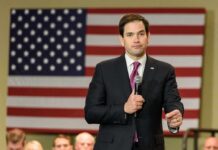
President Trump escalated his push for more U.S. data centers, warning that local backlash is putting jobs, tax revenue, and America’s tech edge at risk.
Story Snapshot
- Trump says rejecting data centers is a “mistake” that costs jobs and local tax revenue.
- Community opposition is delaying or blocking billions in projects over noise, power, and water concerns.
- Federal researchers say data centers already use about 4.4% of U.S. electricity and are rising.
- Both parties hear voters’ anger over higher bills and land use even as leaders tout growth.
Trump’s Case: Jobs, Revenue, and Global Competition
President Trump argued that communities should welcome data centers because they bring construction work, long-term operations jobs, and “tremendous tax revenue.” He said towns that refuse them are “making a mistake” and linked the buildout to U.S. strength in artificial intelligence and competition with China. He also said the federal government would clear red tape, even allowing on-site power for projects that need it, to keep growth moving.
Trump’s message targets a core fear across the political spectrum: that the United States will fall behind if it cannot build critical infrastructure fast. Supporters echo that view and say local budgets need new industry. They argue that data centers anchor broader investment, from fiber lines to skilled trades. They also claim that steady tax payments from these facilities can ease pressure on homeowners and fund schools, roads, and police over many years.
Why Communities Are Pushing Back
Local leaders and residents are raising alarms about 24-hour fan noise, diesel backup generators, water use for cooling, and heavy electricity demand. Many say these costs hit neighbors first while benefits flow to distant shareholders. Reports describe town halls filled with anger over rising power bills, land conversion, and tax breaks for large companies. Several areas have moved to pause, restrict, or block projects as opposition grows more organized.
Researchers and journalists report that the backlash is now reshaping timelines and plans. One analysis tallied roughly 75 projects worth about 130 billion dollars stalled in the first quarter of 2026, as permits slowed and local votes tightened rules. Investors now factor “permission to operate” risk into plans, and developers pitch more buffers, stricter noise limits, and water-saving designs to win approval.
The Energy Reality: Growing Load Meets Thin Patience
Government-linked researchers at Lawrence Berkeley National Laboratory estimate that data centers used about 4.4 percent of total U.S. electricity in 2023, up from past years. They project that share could climb further by 2028, depending on economic growth and artificial intelligence adoption. That growth puts stress on power grids that already face aging lines and slow substation upgrades, which can fuel public worry over rates and reliability.
This energy math feeds a bigger trust problem. Voters left and right fear that elites make deals while neighbors pay higher utility bills. They see tax abatements for huge firms, but they hear the hum at night and wait longer for basic grid fixes. When jobs promised turn out smaller than hoped, patience fades. These feelings make even well-designed projects hard to sell without clear protections and shared savings on power and water.
What Could Balance Growth and Community Safeguards
Policy experts and local officials are testing guardrails that address kitchen-table issues. Ideas include binding noise caps, larger setbacks, and enclosed cooling gear; on-site or near-site generation that adds capacity without shifting costs to other customers; firm water recycling targets; and “rate relief” deals that return some project gains to nearby households. Stronger public reporting on jobs and tax flows can also rebuild trust if targets are met and verified.
BREAKING: President Trump defends the US data center boom, taking aim at the growing backlash to new projects
In his Truth social post, Trump says “If we kill the Golden Goose, you will only have yourselves to blame” pic.twitter.com/AFk2OhwP1Q
— Exec Sum (@exec_sum) August 31, 2026
The high-level choice is clear and difficult. The country wants the tools of the future but resents paying unseen costs. President Trump is betting that faster builds will lift local economies and keep America ahead. Communities are saying they will not sign blank checks. The path forward likely hinges on hard numbers, not slogans: transparent power plans, enforceable limits on impacts, and visible benefits that reach the people living next door.
Sources:
foxnews.com, foxbusiness.com, yahoo.com, dw.com, energyfactbook.com, datacenternextdoor.org, energy.gov