A twelve-day military conflict between a US-Israel alliance and Iran in June 2025 resulted in casualty figures that remain disputed nearly a year later, with estimates ranging from over 1,000 to more than 3,500 Iranian deaths—raising troubling questions about transparency and accountability that neither Washington nor Tehran seem eager to answer.
Story Snapshot
- The Twelve-Day War in June 2025 saw coordinated US-Israeli strikes against Iranian military and nuclear targets, killing between 1,060 and 3,540 people according to conflicting reports
- Iranian sources claim 3,375 identified deaths while independent monitors report 3,540 casualties including 1,616 civilians, but verification remains incomplete
- Targeted assassinations eliminated at least 20 senior IRGC commanders and nuclear scientists, with a controversial Evin Prison strike killing 79 inmates
- Iranian retaliatory missile attacks killed 28 Israelis and injured over 3,200, demonstrating the conflict’s asymmetric nature
- The wide discrepancy in casualty counts highlights a broader pattern of government opacity that frustrates Americans seeking truthful accounting of military operations
Conflicting Death Tolls Raise Accountability Concerns
The casualty figures from the Twelve-Day War present a disturbing portrait of governmental evasiveness on both sides. Early estimates from Iran’s Foundation of Martyrs reported 1,060 deaths and 5,800 injuries by June 24, 2025. However, the US-based Human Rights Activists News Agency finalized counts at 1,190 deaths by June 28, breaking down victims into 436 civilians, 435 military personnel, and 319 individuals of unknown status. Post-conflict revisions dramatically escalated these numbers, with Iranian officials claiming 3,375 identified deaths and HRANA updating its assessment to 3,540 total casualties. This pattern of shifting figures undermines public trust in official narratives from any government involved.
Targeted Strikes Decapitated Iranian Military Leadership
Israeli commandos and Mossad operatives executed precision operations throughout early June 2025, systematically eliminating Iran’s military command structure. The strikes killed senior IRGC commanders including Mohammad Bagheri, Hossein Salami, Gholam Ali Rashid, and Amir Ali Hajizadeh, along with at least 20 other high-ranking officers and multiple nuclear scientists. The most controversial operation targeted Evin Prison, killing 79 inmates in what Israeli officials characterized as infrastructure destruction but critics labeled disproportionate force. These assassinations represented a significant escalation from previous shadow operations, marking direct confrontation rather than proxy warfare that characterized decades of US-Israel-Iran tensions.
Iranian Retaliation Demonstrated Limited Effectiveness
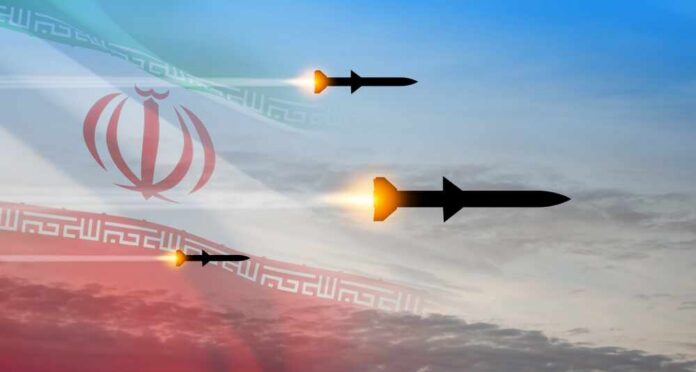
Iran launched approximately 525 ballistic missiles at Israeli targets between June 14 and June 25, 2025, with only 50 to 60 achieving direct hits. The attacks killed 28 Israeli civilians and soldiers while injuring between 3,238 and 3,461 people, including 345 children. Notably, 107 Israeli injuries resulted from anxiety-related incidents rather than direct missile impacts, and one death occurred when a civilian suffered a heart attack while rushing to a shelter. The stark asymmetry in casualties—with Iranian deaths potentially exceeding Israeli fatalities by more than 100-to-1—underscores the technological and tactical superiority of the US-Israel alliance while raising questions about proportionality that trouble many Americans regardless of political affiliation.
Humanitarian Crisis Compounded by Information Blackout
The Iranian government imposed internet blackouts throughout the conflict, hampering independent casualty verification while displacing tens of thousands of civilians. Hospitals became overwhelmed with over 4,000 wounded individuals, and critical infrastructure including residential high-rises sustained significant damage. The information suppression prevented real-time assessment of civilian harm, a tactic that mirrors concerns about governmental transparency Americans increasingly associate with unaccountable elites. By June 28, Iran’s health ministry confirmed more than 4,000 wounded, yet the continuing revisions to death tolls through 2026 suggest either initial undercounting or deliberate manipulation of casualty data for political purposes.
Long-Term Implications for Regional Stability Remain Uncertain
The conflict achieved its stated objective of degrading Iran’s nuclear program and IRGC capabilities, eliminating over ten nuclear scientists and crippling military leadership. However, the decapitation of Iranian command structures may produce unpredictable consequences, potentially empowering hardliners or triggering proxy escalations across the Middle East. The ceasefire has held since late June 2025, but the absence of independent verification by international bodies like the United Nations leaves fundamental questions unanswered. For Americans weary of endless Middle Eastern entanglements, the lack of clear accountability about who died, how many perished, and whether civilian protections were honored represents yet another failure of government institutions to provide honest answers that citizens across the political spectrum deserve when their tax dollars fund military operations.
How Many People Have the US and Israel Killed in Iran? https://t.co/x9kLcnSqzv
— Juan Cole (@jricole) April 14, 2026
The wide variance in reported casualties—from 1,060 to 3,540 deaths—reflects either the fog of war or deliberate obfuscation by governments more concerned with managing narratives than leveling with their populations. Whether one views the operation as justified preemption against nuclear threats or disproportionate aggression, the inability to establish basic facts about civilian deaths undermines democratic accountability and reinforces the perception that elites prosecute wars without meaningful oversight or transparency.
Sources:
Iran says it identified 3,375 people killed in US-Israeli attacks – Anadolu Agency
Casualties of the Twelve-Day War – Wikipedia
Number of casualties during the US-Israel attacks on Iran by country – Statista
US-Iran war death toll: Israel, Lebanon, Kuwait – The Independent