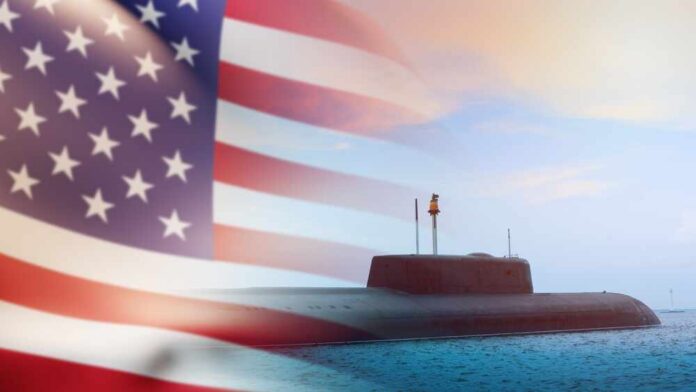
A $100 million Swedish submarine repeatedly penetrated a $6 billion U.S. aircraft carrier’s defenses in 2005, exposing a vulnerability that still raises questions about America’s naval superiority two decades later.
Story Snapshot
- Swedish submarine HMS Gotland “sank” USS Ronald Reagan multiple times during 2005 exercises off California without being detected
- The diesel-electric sub used Stirling-cycle Air-Independent Propulsion to remain silent for extended periods underwater
- U.S. Navy had decommissioned its last diesel submarine in 1990, leaving personnel unprepared to counter such threats
- Navy leased Gotland for two years to develop new anti-submarine warfare tactics and restore proficiency
Swedish Sub Humbles American Supercarrier
HMS Gotland penetrated the multi-layered defenses of USS Ronald Reagan’s Carrier Strike Group 7 during pre-deployment exercises off Southern California in 2005. The Swedish submarine simulated multiple successful torpedo attacks against the nuclear-powered carrier, essentially “killing” the $6 billion warship repeatedly without conclusive detection. The strike group’s defensive bubble included Aegis-equipped destroyers, anti-submarine warfare helicopters, and nuclear-powered hunter-killer submarines, yet all proved ineffective against the quiet diesel boat. This stark demonstration revealed critical vulnerabilities in America’s premier naval assets.
Technology Gap Exposed Cold War Complacency
The Gotland’s success stemmed from its Stirling-cycle Air-Independent Propulsion system, allowing it to remain submerged and virtually silent for days without surfacing. This technological advantage exploited coastal waters where traditional sonar detection becomes less effective. The U.S. Navy had decommissioned its last diesel submarine in 1990, effectively ending operational experience with this class of vessel. Following the Soviet Union’s collapse, the Navy shifted focus away from diesel submarine threats, viewing them as less significant than nuclear-powered adversaries. This complacency left American forces unprepared to counter modern diesel-electric technology.
Institutional Response Reveals Deeper Problems
Following the embarrassing exercise results, the U.S. Navy took unprecedented action by leasing Gotland for two years of dedicated training from 2005 to 2007. This arrangement allowed American personnel to develop new tactics, sensors, and operational approaches for hunting quiet diesel-electric submarines. The incident prompted the Navy to fundamentally reset its approach to anti-submarine warfare, moving away from Cold War-era assumptions. National security analyst Harry J. Kazianis characterized the event as a paradigm shift in underwater warfare, demonstrating that cost and size do not determine combat effectiveness in modern naval engagements.
Strategic Implications for Naval Warfare
The Gotland incident revealed asymmetric warfare dynamics that challenge conventional military thinking about force projection and defense spending. A $100 million platform successfully exploited gaps in a vastly more expensive defensive posture, raising questions about procurement priorities and strategic assumptions. Regional powers and peer competitors operating modern diesel submarines now pose credible threats to carrier operations, particularly in coastal waters. This reality influenced global naval thinking about diesel-electric submarines as cost-effective deterrents against advanced naval powers. The exercise demonstrated that fighting the fleet you face, rather than the one you prefer, remains essential to naval strategy.
Lessons Learned and Ongoing Vulnerabilities
Experts emphasize that while Gotland “sank” the carrier in exercise conditions, this does not guarantee a single diesel submarine would inevitably defeat a U.S. supercarrier in actual warfare. However, the incident exposed specific vulnerabilities in training, tactics, and sensor deployment that demanded immediate correction. The exercise reinforced critical operational principles: never underestimate quiet, patient adversaries, and never allow anti-submarine warfare proficiency to atrophy. The Navy’s immediate reassessment of Carrier Strike Group defensive protocols and retraining of anti-submarine warfare personnel addressed short-term gaps, but the fundamental challenge remains relevant as adversaries continue developing quieter, more capable diesel-electric submarines.
Sources:
War Games: Swedish Stealth Submarine ‘Sank’ US Aircraft Carrier – The National Interest
The $6 Billion Naval Giant Taken Down by a $100 Million Diesel Submarine – Indian Defence Review