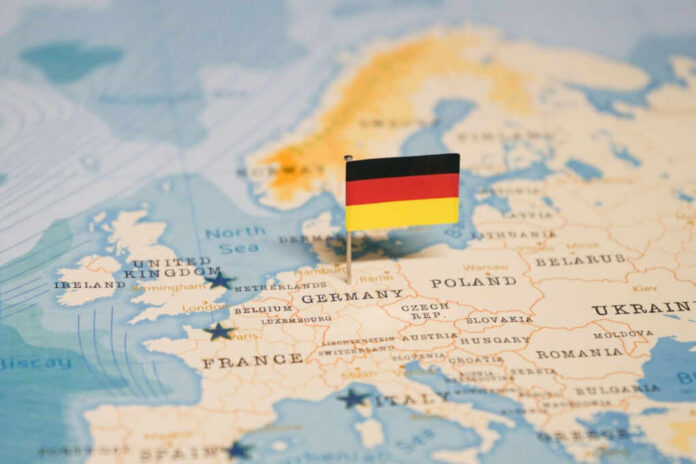
Germany just approved a 2026 budget that pours a record €108 billion into its military while cutting climate and aid funds that millions at home and abroad depend on.
Story Snapshot
- Germany’s 2026 budget boosts core defense spending to about €82.7 billion, plus extra special funds.
- Climate and energy programs, including building upgrades and hydrogen, face multi‑billion euro cuts.
- Development aid and climate finance drop, even as global conflicts and climate disasters grow.
- The shift feeds a wider fear that Western governments serve defense lobbies and elites over citizens.
Germany’s 2026 Budget: Guns Up, Green and Aid Down
German leaders have signed off on a 2026 federal budget of about €520.5 billion, a sharp jump from past years driven by record borrowing and investment plans. Defense is the big winner. The core budget for the German armed forces rises from roughly €62–63 billion in 2025 to about €82.7–83 billion in 2026, an increase of around €20 billion or more than 30 percent. When you add the separate special fund for the armed forces, total military money reaches about €108 billion next year. The government also plans to add up to 10,000 soldiers and more civilian staff, signaling a long‑term military build‑up.
Cabinet plans and expert reports say this surge is meant to push Germany toward new North Atlantic Treaty Organization (NATO) defense goals of 2.8 percent of national output by 2026 and 3.5 percent by 2029. Some analysis warns the 3.5 percent target is unlikely to be fully met, but the trend is clear: Germany is locking in a “security decade” and a historic rearmament after years of low defense spending. To make that possible, Chancellor Friedrich Merz pushed through an exemption that lets defense escape strict debt limits, opening the door to hundreds of billions in extra borrowing for military projects.
Where the Money Comes From: Climate and Aid Cuts
To fund this defense jump, other areas are squeezed. Support for energy‑efficient building upgrades drops from €17 billion to €12 billion, a €5 billion cut that slows work to make homes and offices cleaner and cheaper to heat. Medium‑term funding for Germany’s hydrogen plans is cut from €3.75 billion to €1.28 billion for 2026–2032, slashing money for a key future energy source. Groups that track climate policy say these changes mean Germany will miss its own promise to provide €6 billion a year in climate finance, with only about €4.4–5.0 billion likely in 2026. That shortfall hits efforts to help poorer countries cut emissions and cope with storms, floods, and drought.
Development and humanitarian aid are also under pressure. The Federal Ministry for Economic Cooperation and Development’s budget for 2026 is set at about €9.9 billion, down €331 million, or 3 percent, from 2025. That pushes official development assistance from 0.56 percent of national income to about 0.52 percent. German media and aid groups report that recent budgets have already slashed humanitarian emergency aid by more than half, even as wars and crises multiply. Euractiv notes that Germany has cut funds meant to help developing nations reduce greenhouse gases and deal with climate impacts, undercutting key goals for the next United Nations climate summit.
Why Berlin Says It Must Arm Up
Supporters of the new budget argue that the world has changed since Russia’s attack on Ukraine and that Germany can no longer rely on steady United States protection. They say a stronger military is needed to defend Europe, keep trade routes open, and deal with new threats in the air, space, cyber space, and at sea. Since 2022, Germany has committed about €150 billion to new equipment, from air defense systems to troop deployments on NATO’s eastern flank, and plans €130 billion for gear through 2030. Across Europe, defense spending rose 11.7 percent in one year, with Germany’s up more than 23 percent, and much of that money goes straight to arms and equipment. Polls even show about two‑thirds of Germans back higher defense spending.
Officials and some think tanks frame this as a “security decade” that must be funded alongside pensions, health care, and other core services. They claim smarter, long‑term defense spending will avoid the old pattern of underfunding troops and equipment and then scrambling when crises hit. International lenders like the International Monetary Fund warn there are trade‑offs: heavy defense outlays may support growth in the short run but can crowd out other priorities if governments do not “spend smart.” Still, there is no publicly released cost‑benefit study that clearly shows how each euro cut from aid or climate work directly boosts security.
Growing Fears of an Elite‑Driven “War Economy”
Critics in Germany and abroad see something deeper than normal budget reshuffling. Several reports warn that cabinet choices “set the wrong climate priorities,” shifting tens of billions toward tanks and missiles while underfunding building upgrades, clean energy, and support for poor countries. Aid groups say cuts will hurt millions in conflict zones and disaster areas, and that the move breaks promises made under Germany’s own Climate Action Programme 2030. Commentators point to the defense industry’s strong ties to political and financial elites, raising fears of regulatory capture, where big contractors shape policy for their own gain.
🌅 Market News Digest
[2026-07-05 to 2026-07-06 EST]🔥 Top Stories
• OPEC+ boosts output again; Brent slips below $72 — supply increase eases oil prices and shifts focus to earnings/rates
• SK Hynix to raise up to $28B in U.S. ADR sale — mega AI-chip financing fuels Asia…— MarketNewsFeed (@MarketNews_Feed) July 6, 2026
These worries echo a broader mood on both the left and the right in the United States and Europe. Many citizens feel their governments now act like permanent war machines and bailout engines for corporations, while basic needs at home grow more expensive and fragile. The German shift from development and climate toward defense fits a decade‑long European pattern of choosing arms over humanitarian work. At the same time, leaders talk openly about new NATO targets as high as 5 percent of economic output for defense. For people who already distrust the “deep state,” this looks like one more sign that elites are building a war economy first and asking regular families to pay the price later.
Sources:
insiderpaper.com, atlasinstitute.org, bundesfinanzministerium.de, reuters.com, youtube.com, gmfus.org, kielinstitut.de, facebook.com, imf.org, cleanenergywire.org, argusmedia.com, germanclimatefinance.de, euractiv.com, bundesregierung.de, dw.com, schwab.com, donortracker.org, mpra.ub.uni-muenchen.de