President Trump’s Department of Justice backed parents asking the Supreme Court to let them challenge Washington’s runaway-youth law that shields a child’s location if the teen seeks gender-affirming care.
Story Snapshot
- The Justice Department supported parents seeking standing to sue over Washington’s 2023 law.
- The law lets shelters notify the state, not parents, when runaways pursue “protected health care,” including gender-affirming treatment.
- The Ninth Circuit earlier rejected the parents’ challenge; the Supreme Court agreed to hear the case.
- Supporters say the law protects at-risk youth; critics say it sidelines families.
What Washington’s Law Actually Does
Washington’s statute has long required shelters to notify parents within seventy-two hours when a runaway arrives, preferably within twenty-four hours. In 2023, lawmakers added a new carveout. When a minor is seeking or receiving “protected health care services,” which include gender-affirming treatment, the shelter must notify the Department of Children, Youth, and Families instead of the parents. The department then engages services and referrals, rather than sharing the child’s location with the family.
Supporters said the change gives youth a safe place while they seek care and face family conflict. They argued it can reduce harm for teens at risk of depression or suicide and help connect families to services. The bill’s sponsor, State Senator Marko Liias, said the policy was needed for youth who lack support at home. State materials describe family reconciliation services aimed at helping teens and parents work through conflict during a crisis.
How The Case Reached The Supreme Court
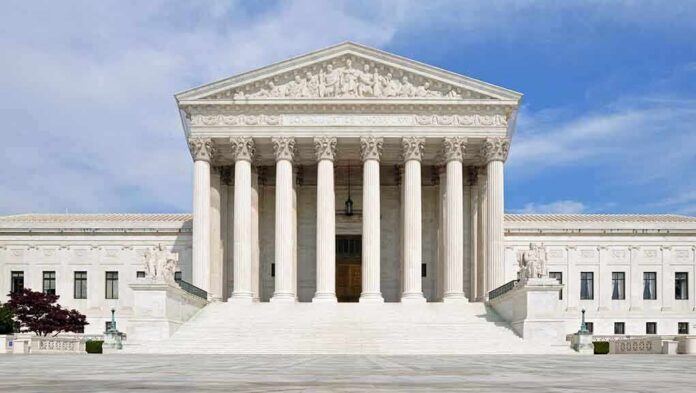
Parents and advocacy groups sued state officials, arguing the 2023 amendments unlawfully push parents out of urgent decisions. A three-judge panel of the United States Court of Appeals for the Ninth Circuit dismissed the suit last year. The parents then asked the Supreme Court to review that ruling. The Court accepted the case “International Partners for Ethical Care v. Ferguson,” which centers on the notification carveout tied to gender-affirming care.
The parents say this exception invites teens to run away and blocks families from knowing where their children are. They argue the change redefines “compelling reasons” in a way that goes beyond abuse or neglect and intrudes on long-recognized parental rights. Their filings stress that, before 2023, shelters almost always had to contact parents within a day or two and disclose the child’s condition and location.
Why The Justice Department’s Position Matters
The Department of Justice urged the Court to let the parents’ case go forward, focusing on standing and the ability to challenge the law’s design. That support signals the federal government views the legal questions as weighty, even as states set different rules on youth health and privacy. The issue threads two sensitive areas at once: runaway-youth notification and state recognition of gender-affirming care as a protected category.
The Supreme Court’s review follows a period when the Ninth Circuit rejected a similar challenge. That creates a clear fork in the legal road. A ruling on standing and parental rights could guide other states that adopted or are weighing similar carveouts in shelter and child-welfare systems.
What Both Sides Fear—and What Comes Next
Parents who oppose the law fear a system that can hide a child’s location while major life choices unfold. They see this as government power overruling family ties and moral duty. Supporters fear a return to rules that out vulnerable teens to unsupportive homes and deter them from seeking help. The statute still requires shelters to alert the Department of Children, Youth, and Families when parents are not told, rather than staying silent.
The Supreme Court will weigh narrow legal questions, but the stakes are broad. Many Americans, left and right, already feel shut out by institutions that move fast and rarely listen. This case tests who decides in a family emergency: the parent, the state, or the minor. A clear ruling on notice, consent, and exceptions could reset how states balance safety with parental authority in the most charged corners of youth care.
Sources:
washingtonstand.com, supremecourt.gov, atlanticlegal.org, metroweekly.com, lifesitenews.com, justthenews.com, kuow.org, inkl.com, lawfilesext.leg.wa.gov