Earl Spencer says King Charles told him “we’ll forget her soon enough” after Princess Diana died—and Buckingham Palace is openly pushing back.
Story Highlights
- Earl Spencer quotes King Charles as saying “we’ll forget her soon enough” after Diana’s death.
- Spencer repeated the quote in a BBC interview and said it was “exactly” what he heard.
- Buckingham Palace issued a rare rebuttal, saying grief can cloud memory and judgment.
- The claim rests on a private 1997 call with no independent record, nearly 30 years later.
What Spencer Claims Happened
Charles Spencer, Diana’s brother, alleges that soon after her 1997 death, the then‑Prince Charles phoned him during tense talks about the funeral. Spencer writes that Charles “hissed” down the line, “Rest assured, we’ll forget her soon enough,” framing it as contempt for Diana and shock at public grief. He tied the remark to a dispute over whether Princes William and Harry should walk behind the coffin. He later told the BBC those were “exactly” the words he heard.
Spencer says the call stood out because he barely spoke to Charles otherwise, claiming only two such calls in his life. That, he argues, makes the words hard to forget. He recounts Charles as sounding “giddily elated” in the aftermath, a detail that has fueled headlines and public anger online. The allegation appears in a new memoir, which is being excerpted by news outlets ahead of publication, driving sharp reactions and renewed debate about Diana’s legacy.
How The Palace Responded
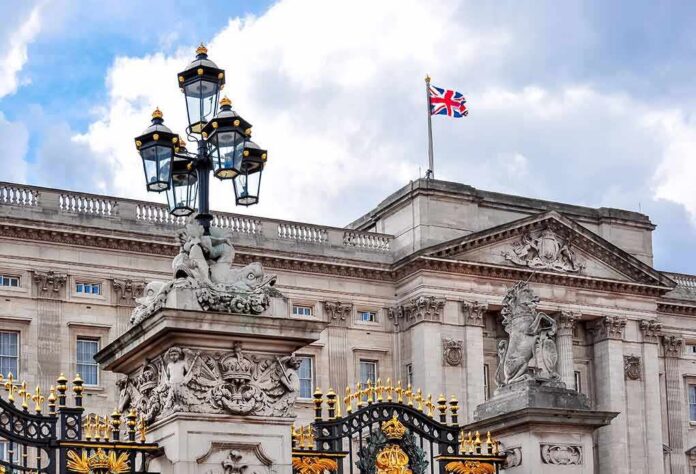
Buckingham Palace broke with its usual “never complain, never explain” stance to challenge Spencer’s memory of the call. The palace did not parse each word. Instead, it said grief can cloud reason and color memory even years later, and called the alleged remark out of character for a compassionate man also grieving with his sons. The response is notable because royal offices often ignore such claims, but this time they intervened quickly and firmly.
The palace pushback turns the dispute into a credibility test. On one side is a first‑person account in a memoir, supported by Spencer’s on‑air repeat of the quote. On the other side is the institution’s statement that memory in times of grief is unreliable. There is no recording, transcript, or third‑party witness to the private call. That leaves the public weighing trust in a bereaved brother against trust in a guarded palace machine.
What We Can—and Cannot—Verify
Reporters have not shown phone records, notes, or diaries that confirm the alleged wording. The evidence rests on Spencer’s recall of a 1997 conversation, almost three decades later. Memory science says people often retain only a small share of what is said in conversation after a delay, and recall tends to favor one’s own words over the other person’s. That does not prove Spencer wrong; it shows why these disputes are hard to settle with certainty.
Princess Diana's brother has told the BBC exclusively that he is "telling the truth" about a phone call with King Charles in the days after his sister's death.
Earl Spencer claims in a new book the then-Prince of Wales said "we'll forget her soon enough" during an argument over… pic.twitter.com/bTHlJbVcIq
— Diana Speaks (@Diana6197Davis) September 18, 2026
Media outlets spotlighted the most shocking line, which can lock in public views before deeper checks occur. The funeral dispute context is specific and documented, which helps anchor the time and topic. Still, without a tape or contemporaneous notes, the exact phrase remains unconfirmed. The palace’s rare rebuttal raises stakes, but it offers no independent proof either. For now, the record is a pointed claim, a firm denial of its credibility, and an unresolved historical question.
Why This Resonates Across Politics
This clash hits a nerve beyond royal gossip. People across the spectrum see elites shielding themselves while the public gets half‑answers. A powerful institution invokes principle and privacy; a family insider publishes a charge in a book rollout. That pattern feels familiar in Washington, too, where agencies and parties often fight over narratives while hard facts lag. When trust runs low, late claims and careful denials deepen the sense that important truths live behind closed doors.
What To Watch Next
Watch for any release of contemporaneous documents that could back either side: phone logs, staff notes, or private diaries from early September 1997. Full publication of the memoir chapter may add dates and context. Interviews with others involved in funeral planning could test tone and timing, even if not the exact words. Short of that, this story will likely settle as many do: not with proof, but with where people place their trust—and how institutions earn or lose it over time.
Sources:
youtube.com, bbc.com, bbc.co.uk, standard.co.uk, brewtifulliving.com